Dalton Smith Seeks First WBC Title Defense Against Alberto Puello
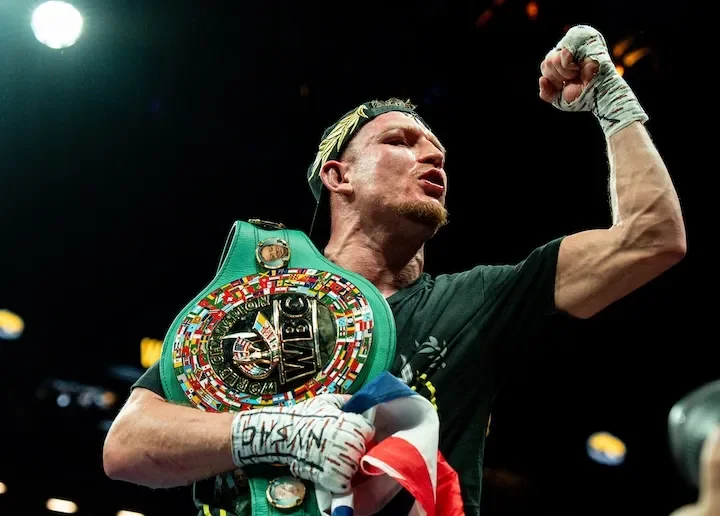
Dalton Smith’s first WBC junior welterweight title defense puts two questions in focus: whether he can handle Alberto Puello’s tricky southpaw style, and how boxing should respond to failed drug tests. The Sheffield champion faces Puello at home on Saturday, after claiming the belt with a fifth-round stoppage of Subriel Matias in January. A first defense often says as much about a champion’s priorities as the title win itself. Smith’s choice of opponent leaves little room to treat the belt as a prize to protect from risk.
There’s a personal stake in the occasion, too. Smith has spoken about a possible future fight at Hillsborough Stadium, but that ambition depends on what happens in the ring first. For now, the champion is balancing the immediate challenge of an experienced opponent with the larger demands that come with holding a world title.
A title won against the odds
Smith stopped Matias at Brooklyn’s Barclays Center despite entering as the underdog. The result remains a defining moment for him, though he says he’s already looking beyond it. Winning as an underdog can alter how a fighter is viewed, but it doesn’t settle questions about what comes next. A title defense is a different test: the champion enters with a target on his back, and opponents have a clear reason to bring their best.
“It was unbelievable,” Smith told BoxingScene. “It gets spoken about all the time and I think it will for many years to come.” He described the night as special for his father, family and supporters, but said it’s now in the past: “I want to keep replicating that. But look, it’s a moment I’ll cherish forever and now we keep building.” That distinction matters. Smith can value the upset without treating it as proof that every future fight will follow the same script.
The build-up to that fight carried a separate complication: Matias had tested positive for ostarine, yet the WBC allowed the bout to proceed. Smith fought on and stopped him midway through the fifth round. The result doesn’t answer the wider question raised by the test: how a sport should weigh the integrity of competition against the practical decision of whether a scheduled bout goes ahead. In this case, the fight took place, and Smith’s win became a major part of his career.
Smith calls for tougher doping penalties
Puello also has a failed test on his record. He tested positive for clomiphene before a scheduled title defense against Rolando Romero in April 2023 and received a six-month suspension. Smith says he opposes performance-enhancing drugs and believes the penalties should be much tougher. The history gives the subject particular weight in the lead-up to this defense: it isn’t an abstract policy debate for Smith, but an issue connected to both his previous title fight and his next opponent.
“I think it stinks. I’m well against it myself,” he said. Smith added that he went ahead against Matias to stand up for clean fighters, and argued that “sometimes you need more than just steroids” to win. His comments reflect a view of boxing in which discipline and ability should decide a contest. They also show the tension for a fighter who says he wants clean competition but must still take part in bouts when a test controversy hasn’t prevented the event from proceeding.
He sees doping as an ongoing problem in boxing, pointing to the frequency of failed tests. “People are failing left, right and centre,” he said. “The punishment needs to be a little bit harsher. If anything, they need lifetime bans, don’t they? But it’s out of my hands.” That’s a forceful position, though Smith acknowledges that the decisions sit with the sport’s authorities. The practical question is whether penalties are consistent enough to discourage violations and reassure fighters who believe they’re competing cleanly. A lifetime ban is the strongest option he raises; his comments don’t spell out how such a policy would be applied across different cases.
No appetite for avoiding a mandatory challenger
Smith has been given a difficult assignment for his first defense, but says he never considered giving up the belt to avoid a dangerous opponent. For him, facing the best comes with being champion. That approach carries a cost: a champion who accepts demanding challengers risks losing the title, while avoiding them can weaken the meaning of holding it. Smith says he’s prepared to accept the first risk.
“I’ve never avoided a fighter to this day, so why am I going to do it now?” Smith said. He pointed to past wins despite being written off, adding: “I’ve proved myself every time. Even when I’ve been the underdog, when I’ve been written off, I’ve come out victorious.” His record of taking difficult fights is part of how he presents himself, but the Puello bout will be judged on its own terms. Past success can support a fighter’s confidence; it can’t determine the outcome of a new matchup.
Hillsborough remains a future ambition
Smith and promoter Eddie Hearn have spoken about staging a fight at Hillsborough Stadium, home of Sheffield Wednesday. A recent face-off with Puello on the pitch, in front of around 35,000 fans, gave Smith a taste of the atmosphere such an event could bring. A stadium fight would connect a world-title run to Smith’s home city in a way an arena bout elsewhere can’t. But the face-off was a glimpse of the setting, not a guarantee that the event will happen.
“That’s something I want to achieve, but we will deal with that after Saturday,” he said. For now, his attention is on the defense and the experienced Puello, whom Smith expects to beat. Asked for his prediction, he kept it brief: “And still.” The brevity is fitting; the coming fight will supply the answer that a confident forecast can’t.
What this defense could establish
This is more significant than it looks. Smith is defending the title he won in a career-defining upset, against an opponent whose record includes a failed test, while publicly calling for harsher consequences. Those threads make the bout more than a routine first defense: the result will shape how Smith’s reign is discussed, even if it can’t resolve boxing’s broader questions about testing and penalties.
If you’re working in this space, the distinction to watch is between a fighter’s stated principles and the choices available to him once a bout is sanctioned. Smith has said he’ll face the challenger in front of him and that he wants cleaner competition. Boxing’s handling of failed tests remains a separate matter, one beyond a champion’s control (and this is the part most people overlook). For Smith, the immediate task is simpler: beat Puello, keep the belt, and leave the stadium ambition for another day. A title defense. The rest depends on what happens Saturday.