Robert Smith Says His Time as British Boxing Board Chief Is Nearing Its End
A succession question for British boxing
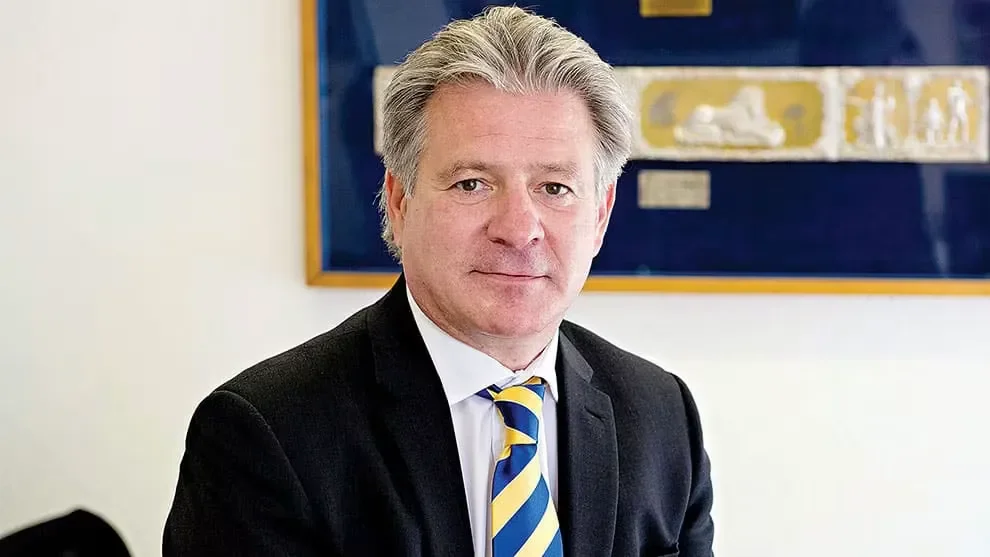
Robert Smith says he’s in the final stretch of his tenure as general secretary of the British Boxing Board of Control, though he hasn’t settled on a departure plan. After leading the body since 2008, he’s begun discussing his future with his wife and family. The uncertainty is personal, but it also raises a practical question for British boxing: who will take on the daily work of a small regulator whose decisions affect fighters, officials and promoters?
“I’ve certainly got a lot less time doing it than I’ve had,” Smith told BoxingScene. “I’m wary of that and things move on. And yes, I have thought about my future, I’d be lying if I said I hadn’t.” He added that his plans aren’t confirmed, but said: “I’m certainly on the last stretch.” That’s a clear signal of change, even without a date or a named successor. For an organization built around oversight and continuity, the eventual handover will matter as much as Smith’s choice of when to leave.
A small regulator with a broad remit
Smith, 64, retired from boxing in 1989 with a 16-5 record, including 11 knockouts. His career in the ring gives him a direct connection to the sport he now helps govern, though the demands of the role are different from those of a fighter. During his tenure, British boxing has expanded, with more shows and professional fighters, while medical and safety protocols have also grown. That combination means more activity to oversee and more expectations around how contests are managed.
The Board operates with a relatively small staff, Smith said, and its role is to oversee contest rules and medical requirements. That remit puts the organization at the intersection of sport and safety: it must apply rules consistently while responding to the risks inherent in boxing. A small staff can make clear priorities and experienced judgment especially important, but it also leaves little room for the organization’s responsibilities to be understood as merely administrative. The public tends to see the outcome of a controversial decision; the work that precedes it is less visible.
The BBBoC’s finances and its relationships with major promoters have drawn questions about how effectively it can hold the biggest operators to account. Smith rejects the suggestion that the Board is influenced by promoter size or revenue. He says he works with leading figures such as Eddie Hearn, Frank Smith and Frank Warren, as well as small-hall promoter Carl Greaves, on the same basis. His description presents impartiality as a working rule, but the underlying challenge for any regulator is broader: equal treatment must be credible to those inside the sport and to the audience watching from outside it.
“They’re treated all the same. That’s how I work,” he said. Smith acknowledged that some people disagree with his decisions, but said he couldn’t recall a promoter, large or small, going against a Board ruling. Compliance with rulings is relevant, though it doesn’t by itself settle every question about influence or accountability. The organization’s authority depends on both its decisions and whether people believe its processes are fair.
He described the organization’s purpose as serving boxing and, above all, the fighters. That priority gives the Board’s role a clear public rationale, particularly when medical requirements and contest rules are at issue. But a stated purpose is only the starting point; the harder test is whether fighters see the benefits in how the system works day to day.
“I don’t have an issue with anybody claiming that we’re in somebody else’s pocket because we’re not. It’s a fact,” he said. This is more significant than it looks: the statement is categorical, while the questions around a regulator’s independence are ultimately judged through its decisions and the confidence those decisions command.
Criticism comes with the role
Judging disputes and arguments over referee stoppages often direct criticism at Smith, even when the decisions concern individual officials. For viewers, a disputed call can become a symbol of whether the sport is being governed well; for the people responsible for the ruling, it may be one decision made amid the particular conditions of a contest. That gap helps explain why criticism can land on the head of the governing body regardless of who made the call.
The job has also changed with social media: complaints that once might have appeared in letters to Boxing News now reach him online, sometimes alongside threats against him and his family. The speed and directness of online criticism make it harder to keep public disagreement at a distance. And this is the part most people overlook: the same channels that let fans challenge decisions can also make personal abuse feel immediate and persistent.
Smith said he doesn’t take criticism personally, though he accepts that public scrutiny comes with leading a governing body. He called social media a useful tool that can also encourage attacks from people who don’t know the individuals involved or the work done to protect boxers. The tension is familiar in public-facing sports roles: criticism can expose concerns that deserve answers, while personal threats do nothing to clarify whether a decision was sound.
“We’re there to be shot at,” he said, comparing the scrutiny to that faced by other sports authorities. Smith argued that some critics have little understanding of how boxing operates, while recognizing that they’re entitled to their views. He expects the interview itself to draw further criticism, but said his attachment to the sport keeps him in the role. A tough skin may help him remain in the job; it can’t remove the need for the Board to explain decisions that affect the people who fight under its rules.
If you’re working in this space, the distinction matters: an official’s call, the Board’s oversight and the public’s trust are connected, but they aren’t interchangeable. A governing body can’t prevent every disputed decision. It can shape how those decisions are reviewed and how clearly its responsibilities are communicated.
What comes after Smith
Leaving the general secretary position won’t necessarily end his involvement in boxing. Smith said he may take a break, but doesn’t expect to walk away from the sport entirely. “It’s been my life,” he said, while making clear that any future role won’t be the job he holds now. The fragment that captures the transition: still close to boxing, but in a different capacity.
There’s no confirmed departure plan in his account, so the immediate outlook is one of preparation rather than a defined timetable. For the Board, Smith’s eventual exit will test whether its routines and authority are carried by the institution as well as by a long-serving leader. What this means for you as a follower of British boxing is straightforward: the successor’s approach to promoter relationships, contest oversight and public criticism will help shape how the Board is judged. The task is less about replacing one voice than sustaining confidence in the decisions the organization makes.