Shakur Stevenson’s Zuffa Boxing Split Puts Fight Plans and Purses in Focus
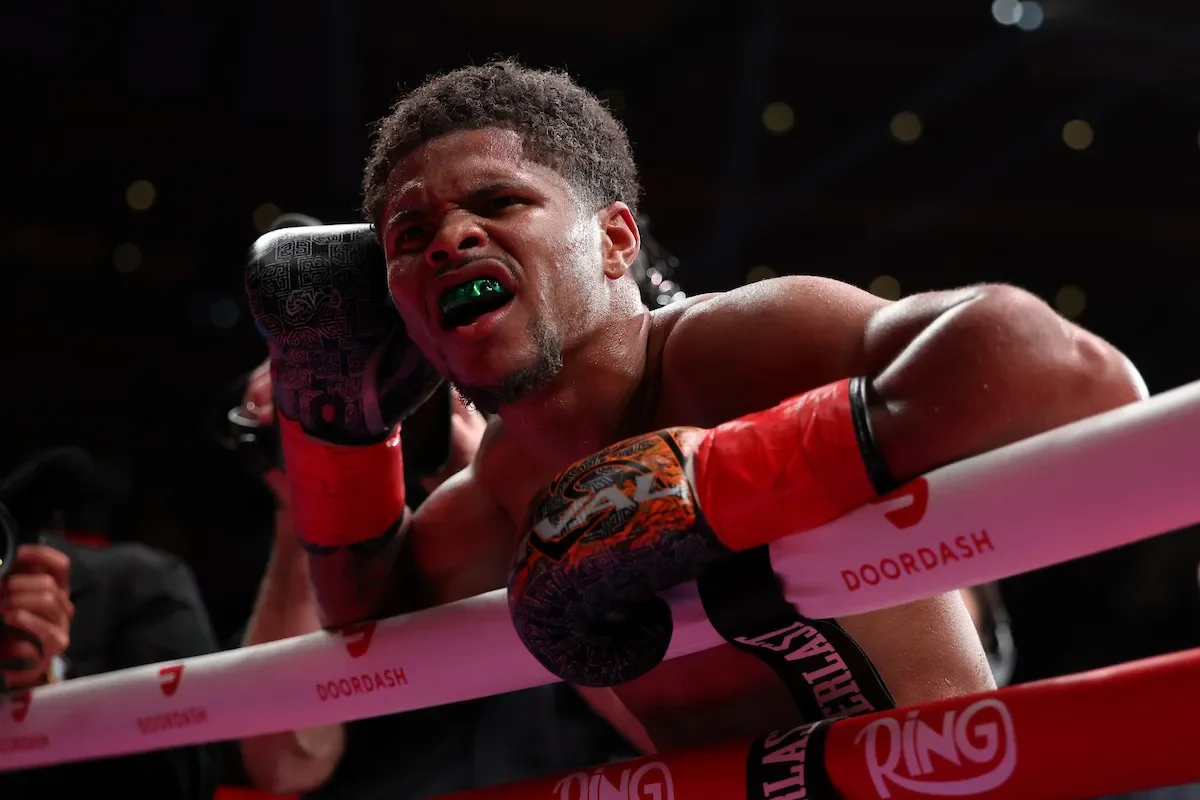
Shakur Stevenson’s quick exit from Zuffa Boxing exposes a mismatch in expectations: the unbeaten champion wanted marquee fights on a workable timetable, while the promotion faced steep purse demands and doubts about his drawing power. The split also leaves Zuffa with a harder question: can it keep funding elite matchups at the prices top fighters expect?
Stevenson, 25-0 with 11 knockouts, had signed with Zuffa only months earlier and appeared alongside Dana White. His last fight was a unanimous-decision win over Teofimo Lopez on January 31 at Madison Square Garden, where Stevenson captured the WBO junior welterweight title. Talks that followed stretched on as possible opponents and financial terms shifted.
Two fights, two sets of terms
An initial effort to make a bout with unbeaten WBO welterweight champion Devin Haney stalled. Zuffa then explored a fight with Manny Pacquiao, potentially for the December 11 Anthony Joshua–Tyson Fury card on Netflix in Cardiff, Wales. Stevenson was willing to meet Pacquiao at 147 pounds, a signal Zuffa took to mean he was ready to campaign at welterweight soon after winning the 140-pound title.
That reading ran into the economics of the event. Turki Alalshikh, whose backing gives him a 60 percent ownership stake in Zuffa Boxing, reportedly rejected eight-figure purses for both co-main-event fighters on a card that was already expensive. Pacquiao remains in contention for a place on the Joshua–Fury bill, but Stevenson was no longer part of that plan.
Zuffa returned to Haney, but negotiations became tangled in weight and weigh-in conditions. Stevenson sought a catchweight first at 144 pounds, then 145, and asked Haney to accept a fight-day rehydration limit. Haney and his father, who manages him, were unwilling to agree. Zuffa questioned why Stevenson had accepted 147 pounds for Pacquiao but pushed for a lower limit against Haney.
From Stevenson’s camp, the frustration was about time as much as terms. His team was in training camp without clarity on when Zuffa would commit to the financing and schedule needed to make the fight. With negotiations dragging on, Stevenson risked a longer layoff after the Lopez victory.
Questions about Zuffa’s spending power
The delay was especially hard to square with Zuffa’s public ambitions. The promotion had promised a major first year, and Alalshikh had been backing prominent boxing events. Zuffa had also reportedly paid Conor Benn $15 million to fight Regis Prograis earlier in the year, strengthening Stevenson’s side’s expectation that a major purse could be found for a high-profile matchup.
There were fewer alternatives than the names at the top of the division might suggest. Sports Illustrated’s Chris Mannix reported that Zuffa’s early insistence it could operate without other promoters limited its options. Potential opponents included former lightweight champion Raymond Muratalla, aligned with Top Rank, and WBA junior welterweight champion Gary Antuanne Russell, associated with Premier Boxing Champions. Russell’s brother and trainer said an offer below $2 million had been made, a figure an official had also raised in a news report.
The parties eventually agreed to Stevenson’s release. He said in a YouTube post that he wasn’t angry and understood the boxing business. A person close to Zuffa acknowledged the public-relations damage of letting a signed fighter go before he had fought for the promotion, but said the business case outweighed the embarrassment. Zuffa’s next test is whether it will consistently pay what major fights require; that question is sharpened by years of criticism over White’s approach to fighter pay in the UFC.
Stevenson’s next move
Stevenson is forming his own promotional company and is expected to look for notable fights at lightweight and 140 pounds before committing to welterweight. He has identified Haney and WBC champion Ryan Garcia as desired opponents, but a move to 147 may wait until he feels ready for the division.
Without Zuffa, Stevenson will need to navigate a market where the major promoters and their events are spread across platforms. DAZN carries fights from Top Rank, PBC, Matchroom, Golden Boy and Queensberry, offering routes to opponents across several promotional rosters. The practical challenge is turning those options into a fight with acceptable terms and a date that keeps his career moving.
The split leaves Stevenson free to pursue bouts on his own timetable, but it doesn’t guarantee the purses or matchups his team wants. For Zuffa, the episode makes its spending commitments as important as its ambitions: fighters will judge the promotion by the deals it can actually close.