FIA President Ben Sulayem on Online Abuse, V8 Engines and F1’s Future

For FIA President Mohammed Ben Sulayem, Formula 1’s most pressing challenges reach beyond the track. At the 2026 United States Grand Prix in Austin, he called online abuse a threat to the sport, voiced confidence that V8 engines will return, and described accessibility as a measure of his leadership. The topics are distinct, but his argument links them: motorsport needs to protect the people who make it, reconnect with what fans value, and open a route into the sport for more participants.
Online harassment had become a recurring subject in the Austin paddock. Alpine driver Franco Colapinto had urged his supporters to stop directing abuse at other drivers and members of his team. He said mechanics and his engineer had received hateful messages, and that the attacks were hurting him. “It just hurts me in general,” he said.
Max Verstappen also spoke out after Chris Lulham, a driver for Team Verstappen, was targeted online following a drive-through penalty at a GT World Challenge Europe event in Portugal. Verstappen said abuse directed at a young driver unfamiliar with that level of attention could be especially harmful. Against that backdrop, Ben Sulayem’s comments framed the issue as a responsibility shared across the sport.
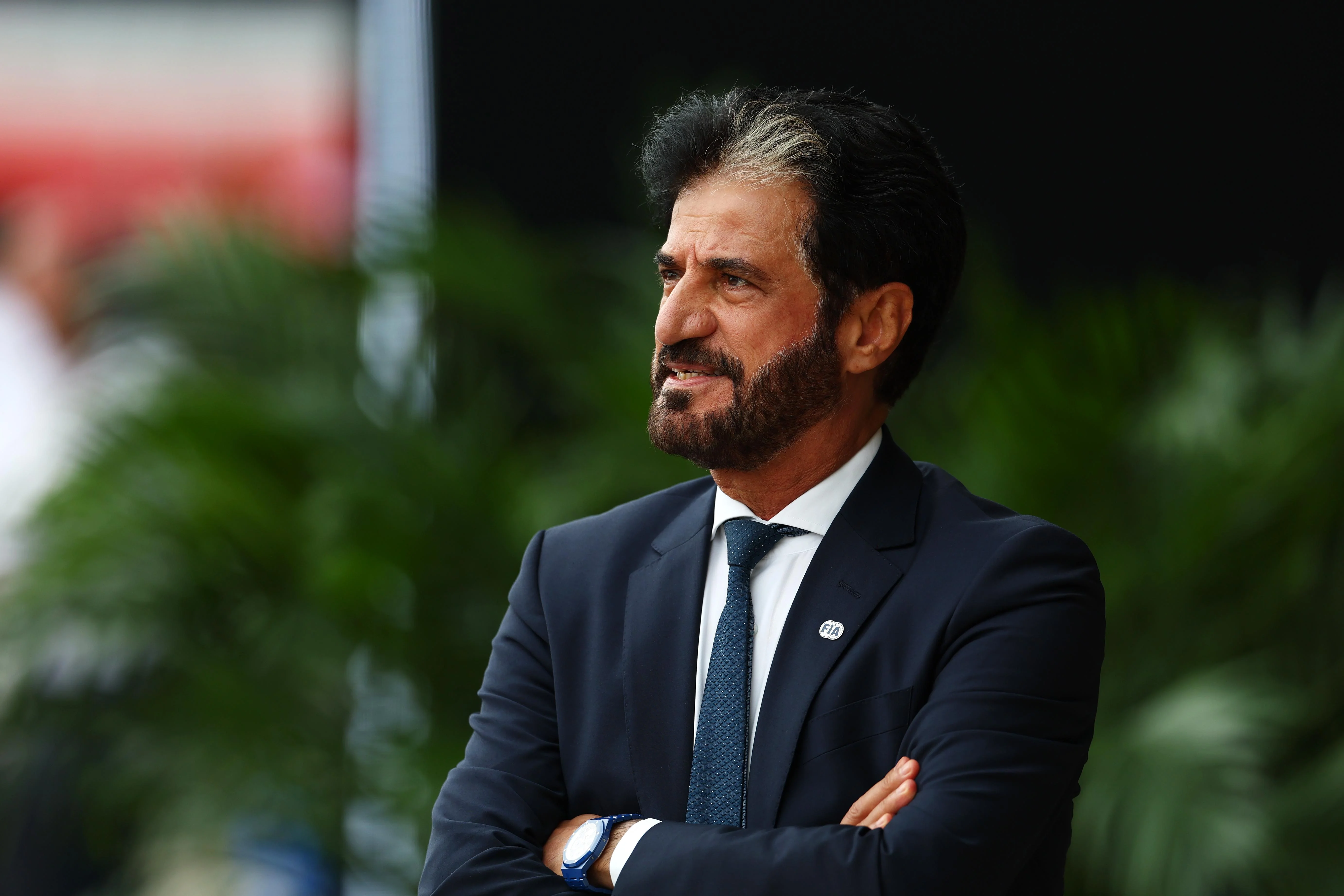
Online abuse is a shared responsibility
“This is a sickness and this is a plague,” Ben Sulayem said of harassment aimed at people in motorsport. He argued the scale of online abuse poses a greater challenge than criticism about changes to Formula 1, including remarks from broadcaster Jeremy Clarkson about the sport’s direction.
The FIA has launched United Against Online Abuse, a coalition established in 2023 that brings together sporting bodies, technology companies, universities and other organizations. Its work includes studying patterns of abuse and developing approaches to reduce it. Ben Sulayem said the federation is also looking at technology, including AI, to identify people responsible.
But he stressed that the FIA cannot address the problem alone. He cited a report of 13,000 threats against driver Pierre Gasly and said a volunteer steward had also received a death threat. Those examples, he said, point to a problem affecting drivers, officials, team personnel and journalists.
His proposed response combines public education with consequences. Drivers can tell their own supporters to stop, he said, and teams can make clear that abusive behavior may cost fans access to drivers. He praised Alpine executive Flavio Briatore for warning Colapinto supporters that continued hate could lead to their access being blocked.
Ben Sulayem also said the FIA has authority to ban spectators or media members who engage in abuse at events. He called on technology companies to block offenders and on journalists to raise awareness. “It’s the responsibility of everyone,” he said, naming drivers, teams, the FIA, governments and other sporting federations. His point was that statements of concern need to be backed by action from the organizations and platforms with the ability to respond.
That expectation echoes Verstappen’s call for social media companies to do more. Drivers can reject harassment from their own fan communities, but the scale Ben Sulayem described makes platform responses and event-level enforcement part of the same discussion.
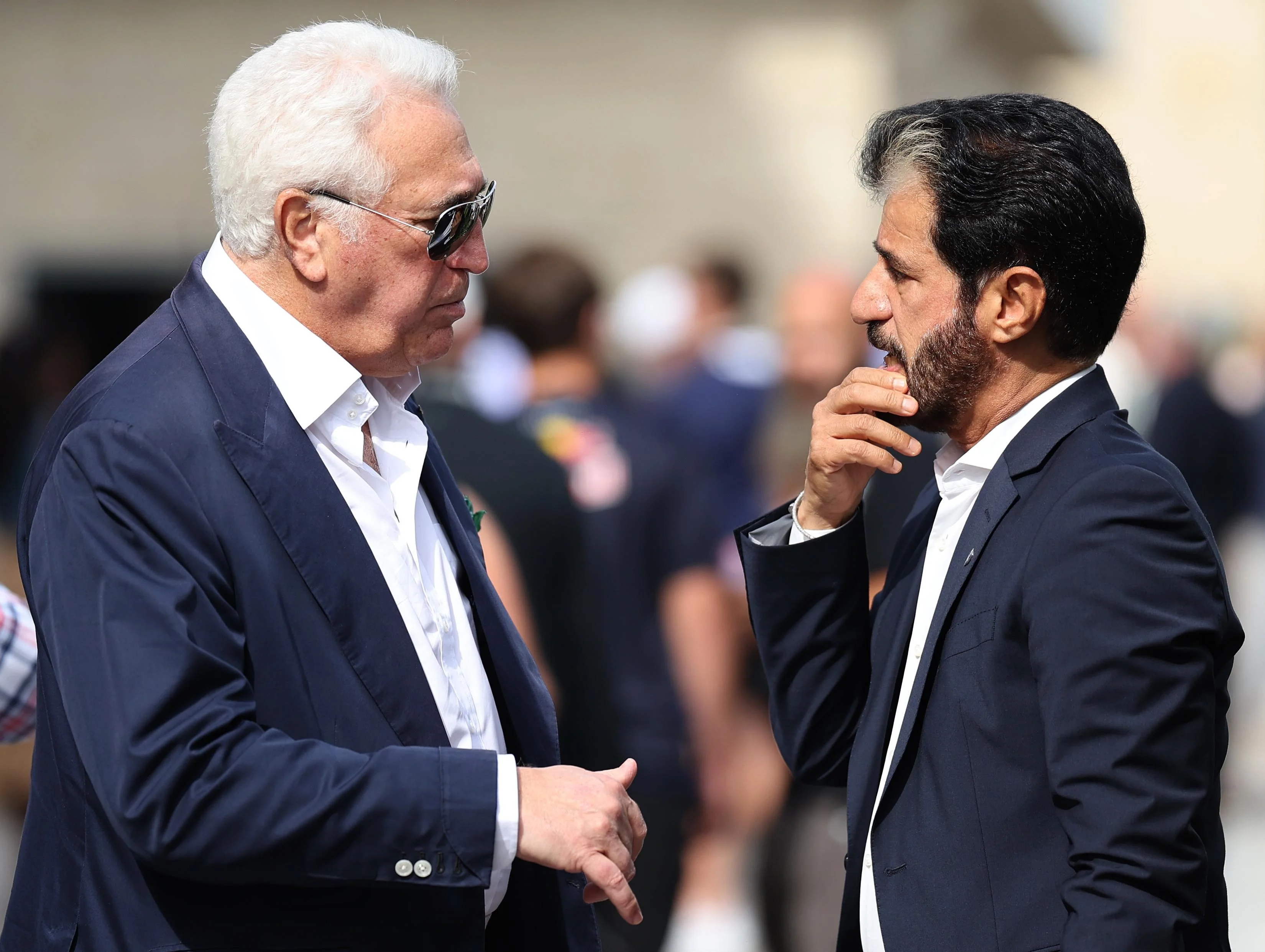
Ben Sulayem says V8 engines are coming
Engine regulations have become another source of friction for Formula 1. The 2026 rules introduced a power unit with a near-even split between battery power and the internal combustion engine. The reception has been mixed, and some fans have called for the return of V8 engines. Ben Sulayem has publicly backed that prospect; in Austin, he put it plainly: “The V8 is coming.”
He argued that Formula 1’s current power units have become too complex for teams and drivers. In his view, the sport should favor a simpler design that still leaves room for technical progress. He pointed to the MGU-H and MGU-K systems as examples of an approach that hasn’t delivered the experience he believes the sport needs, and said teams that wanted the current direction are struggling with it.
His concern also reaches the cockpit. Drivers, he said, should be able to focus on driving rather than managing battery systems. That argument makes the engine debate about more than a particular configuration: it’s also about how much attention the rules ask drivers to spend on energy management.
Sound is another part of the case. Ben Sulayem distinguished between volume for its own sake and a sound that adds character to a race. “Not noise. Sound.” His comments set out a clear preference, though they don’t specify a timetable or technical plan for a change. The practical question ahead is how the sport might deliver the simpler, more resonant engines he favors while defining what its future power units must do.
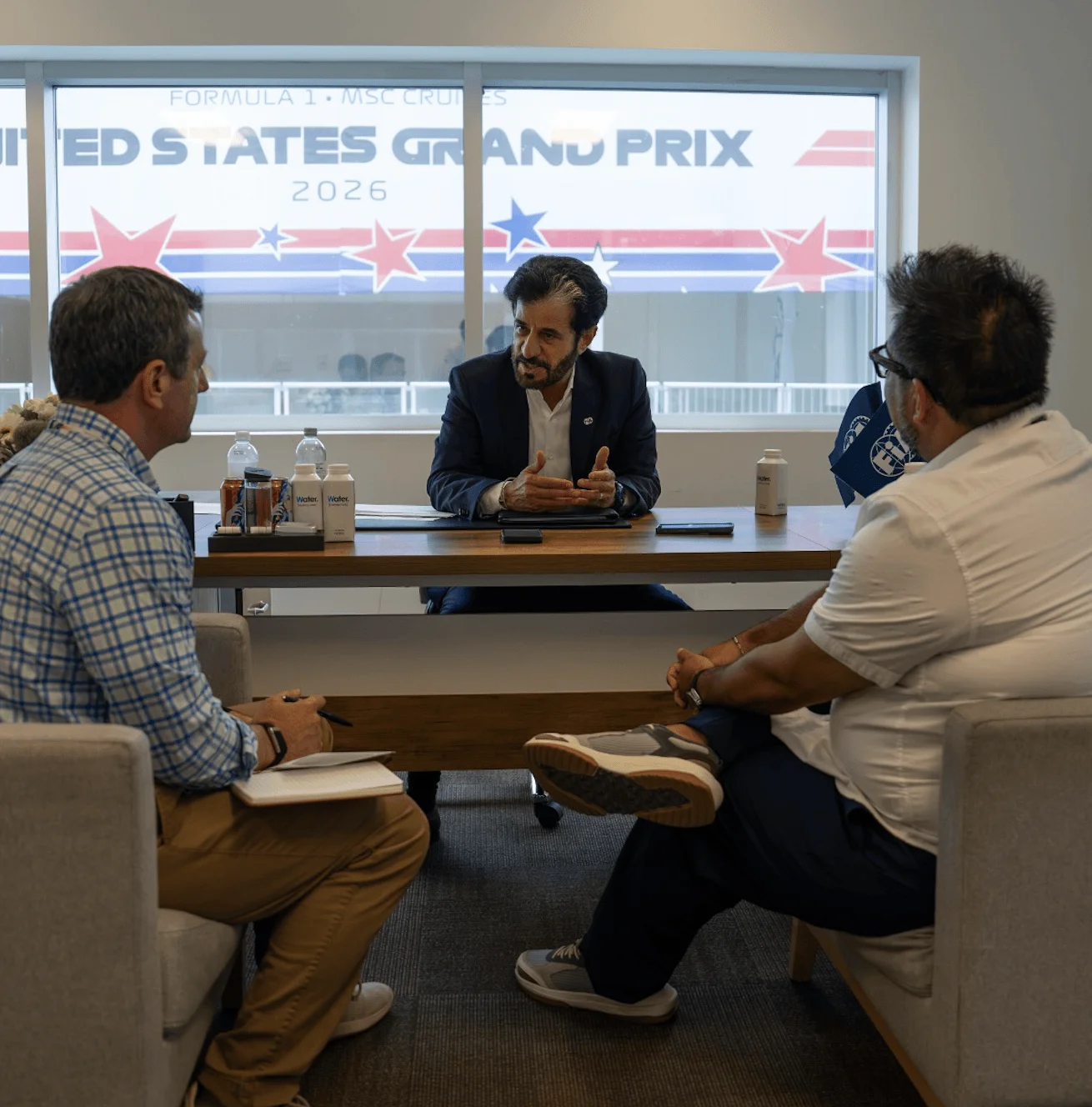
Growth, access and the FIA’s priorities
Formula 1’s reach is expanding, with new and returning races featuring in its plans. The article notes a newly announced African Grand Prix in Rwanda, Madrid’s street circuit hosting the Spanish Grand Prix, and Türkiye’s return to the schedule in 2027. The sport also has events in the United States, where Miami, Austin and Las Vegas each reflect a different setting and audience.
Ben Sulayem said racing, entertainment and business all contribute to a successful event. He described seeing spectators at a Miami race enjoying a poolside gathering without following the action on track, and argued that their approach doesn’t make them wrong. That view leaves room for F1 to attract new audiences while continuing to serve fans focused on the competition.
For him, widening access also means investing attention in the sport’s entry point: karting. “Where did this driver come from? Karting,” he said. Ben Sulayem described grassroots participation as essential to motorsport’s future and said the FIA would create a standalone karting department. He said funds from some team penalties would support it, and called the move the first time in the FIA’s 122-year history that the organization would have its own karting operation.
Ben Sulayem also connected his legacy to the FIA’s structure and affordability. He said his priorities include making the federation more accessible, improving regulations and strengthening its finances and organization. He described the FIA’s relationship with Formula One Management and Liberty Media as positive, while emphasizing that the federation owns the championship and should be respected in that role.
He cited Cadillac’s entry, backed by General Motors, as an outcome he was proud of after facing opposition. He said he doesn’t receive a salary and sees the presidency as a responsibility rather than a job. The measure of that responsibility, as he described it, is whether the FIA can protect motorsport’s core aims—fairness and safety—while growing participation.
In Austin, Ben Sulayem’s message was that growth depends on more than adding races or changing engines. The FIA will also be judged by whether it can respond to abuse, make the sport easier to enter and give drivers a racing experience that keeps the focus on driving. Those priorities turn his comments into a set of commitments the sport’s participants and fans can watch for in the years ahead.